Direct answer
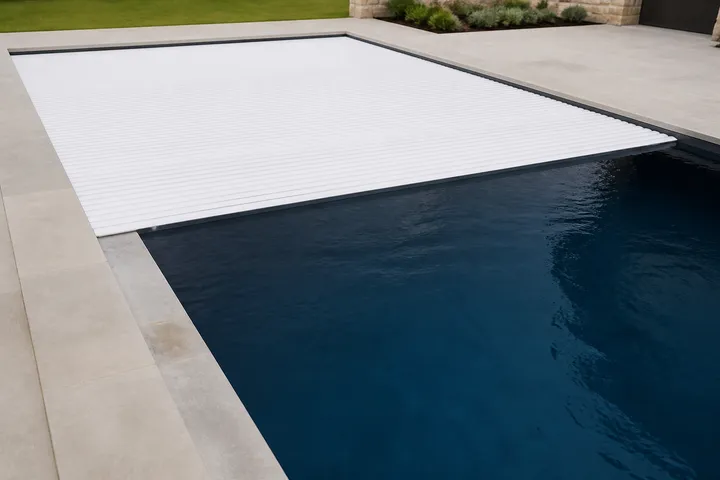
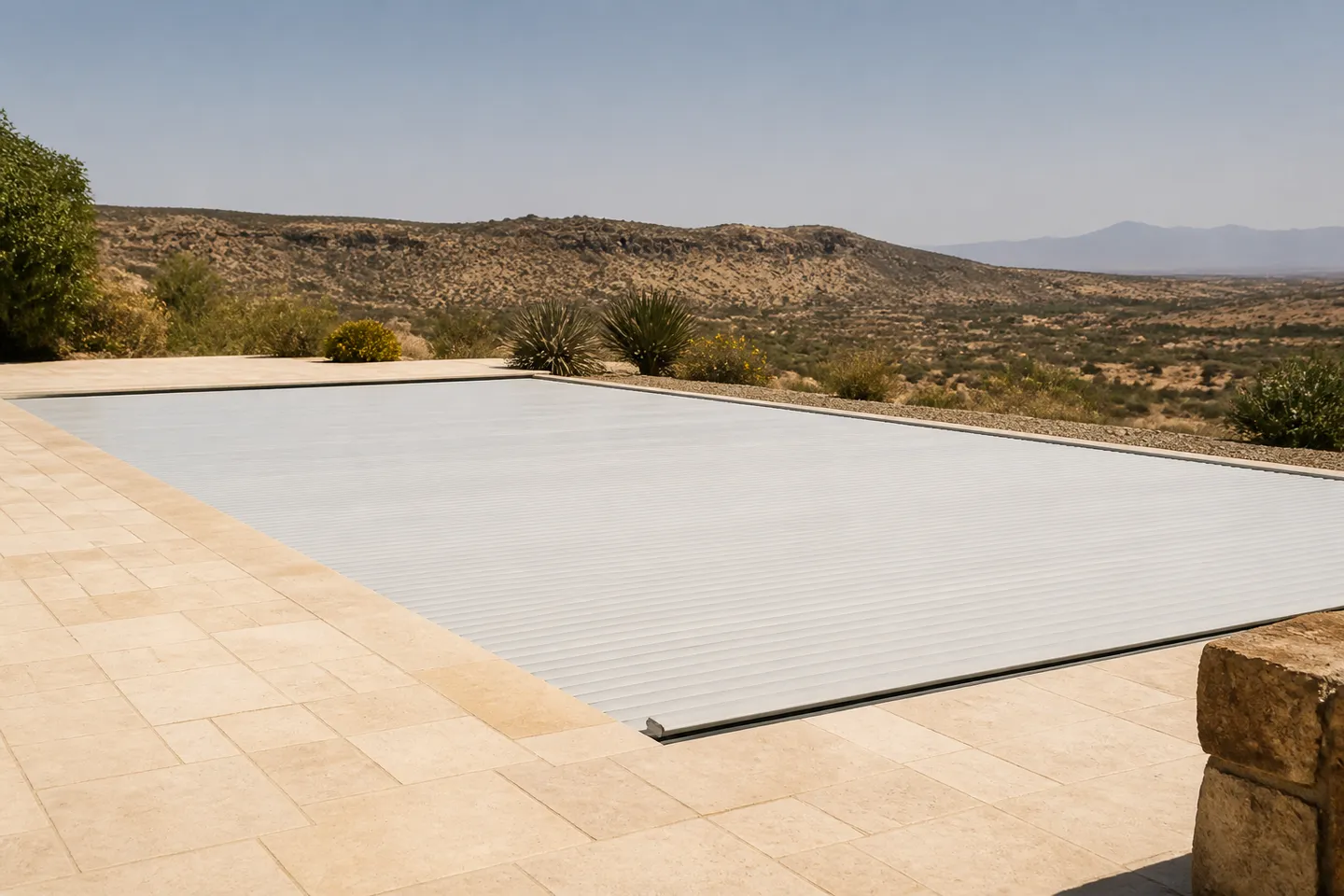
In hot, dry and dusty regions, an automatic pool cover pays back fastest — evaporation control saves the most water and heat where air is dry and wind is constant — but the environment punishes weak specifications. Prioritize UV-stable fabric, heat-tolerant drives, sealed and drained housings, and a dust-aware maintenance schedule.
Key takeaways
- Evaporation control delivers the largest benefit precisely where heat and dry wind are harshest, making covers high-value in hot climates.
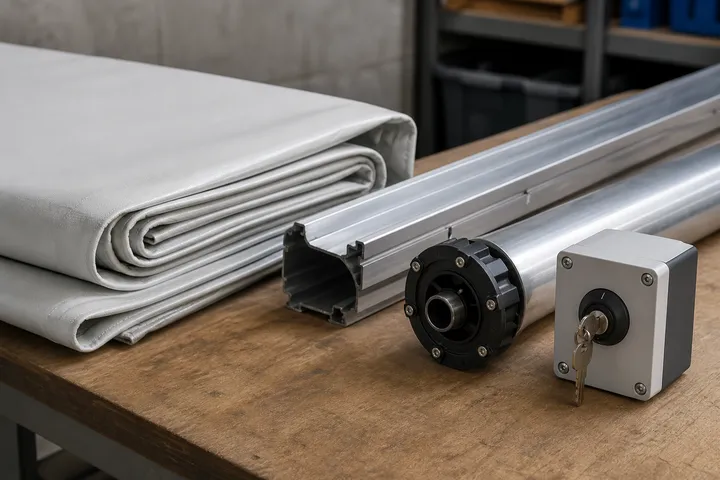
- Specify UV-stabilized fabric and ask for the manufacturer's temperature and UV exposure guidance in writing.
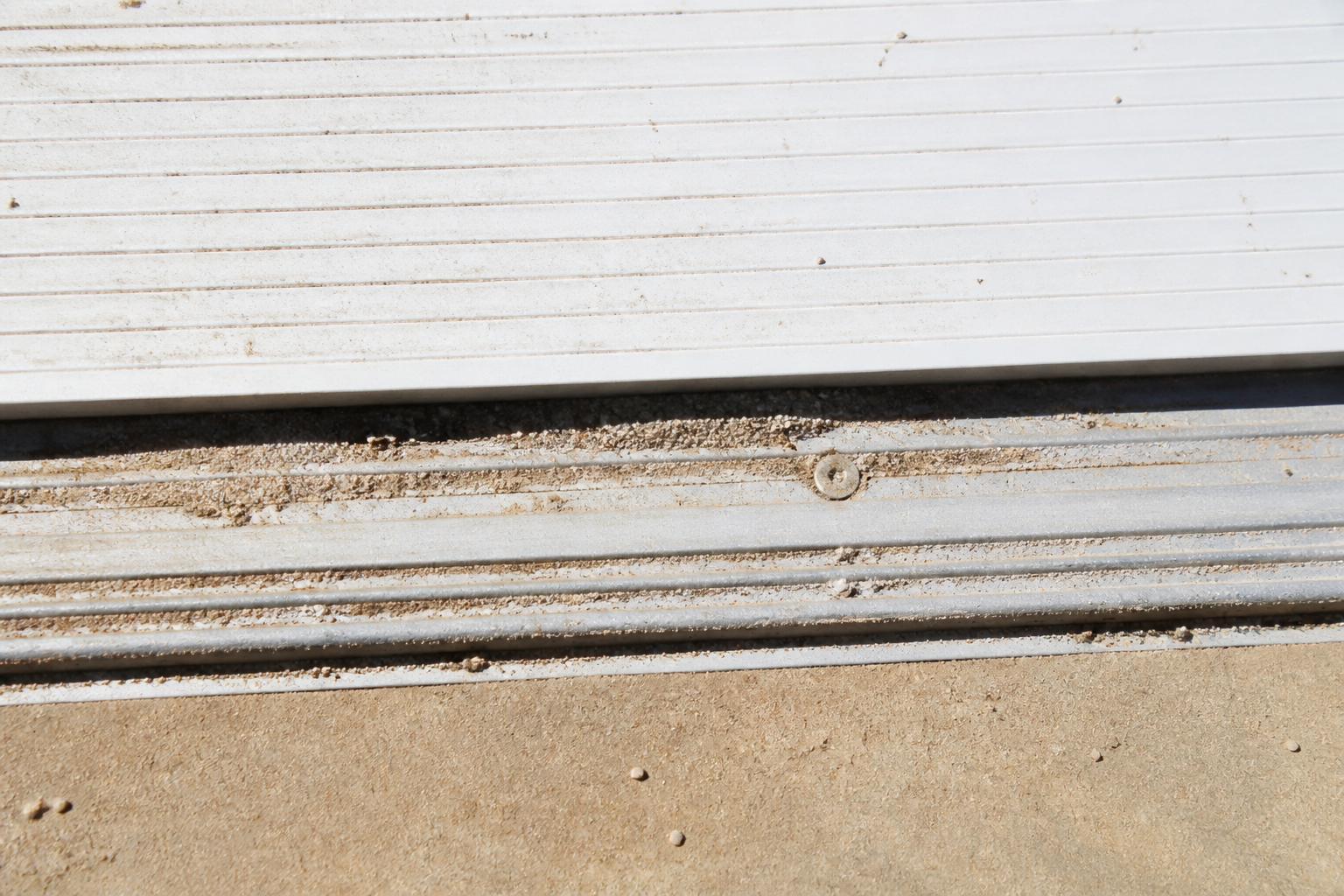
- Dust and sand accumulate in tracks and housings; both need cleaning access, not just clearance.
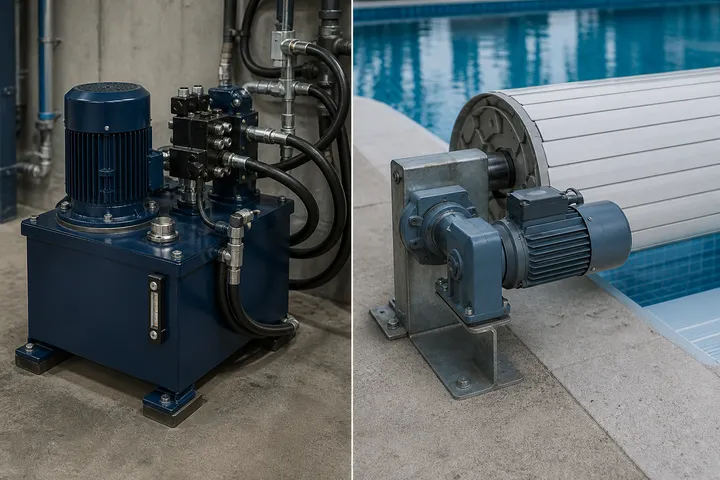
- Electric motors in closed pits suffer in high ambient heat; larger or heavily used pools should evaluate hydraulic drives.
Hot, dry and dusty climates — the Gulf, inland deserts, much of the Mediterranean summer — are where automatic pool covers earn their keep and where careless specifications fail earliest. The same sun that drives evaporation attacks fabric; the same wind that strips heat from the water fills tracks with sand.
Why the benefit is largest here
Evaporation is the dominant heat- and water-loss path from an open pool, and it accelerates with dry air, high temperature and wind — exactly the hot-climate profile. The U.S. Department of Energy’s guidance on pool covers identifies evaporation as the largest source of pool energy loss and covering the pool as the single most effective countermeasure. In water-scarce regions the saved make-up water can matter as much as the energy.
What heat and dust attack
| Component | Stressor | Specification response |
|---|---|---|
| Fabric | UV, sustained heat | UV-stabilized material, exposure-adjusted warranty |
| Drive motor | High ambient heat in closed pits | Ventilated/shaded housing; consider hydraulic for large pools |
| Tracks | Sand and dust ingress | Cleanable profiles, scheduled flushing |
| Housing & pit | Dust, irrigation water, debris | Sealed lid, reliable drainage, service access |
| Controls | Heat, dust on keypads | Rated enclosures, shaded mounting |
Drive selection deserves particular attention: sustained ambient heat inside a closed pit is hard on electric motors, one reason larger or heavily cycled pools in hot regions lean hydraulic — the trade-offs are set out in hydraulic vs electric drives.
Design details that matter more in hot regions
- Shade the housing where the deck design allows; every degree of ambient reduction extends component life.
- Drain the pit generously. Dust storms end in rain often enough, and irrigation overspray is constant; standing water plus heat accelerates every failure mode. Drainage planning is covered in the complete automatic pool cover guide.
- Plan cleaning access to tracks — sand in a track is a maintenance task if reachable and a service call if not.
- Set operating policy for summer heat: covered nights for evaporation control, managed daytime opening so the water does not overheat.
Commercial and hospitality projects
Hotel and resort pools in hot regions combine the harshest environment with the highest duty cycles. Cover systems there should be specified alongside plant redundancy and maintenance staffing — the wider planning context is in the hotel and resort pool planning guide.
Specification checklist
Ask every supplier for: UV and temperature ratings for fabric and components; duty-cycle guidance at high ambient temperature; housing ventilation and drainage requirements; a regional reference installation if available; and a maintenance schedule adjusted for dust. Record site dimensions on the measurement sheet and keep the full system scope from the Automatic Pool Covers & Safety hub in front of you when comparing offers.
Frequently asked questions
Does a pool cover make the water too hot in summer?
In peak summer in hot regions a closed cover can raise water temperature above comfort. Operators often run covers overnight for evaporation control and open them strategically, or pair the pool with active cooling.
How long does cover fabric last in high-UV regions?
Manufacturer lifetime figures assume moderate climates; sustained UV and heat shorten fabric life. Ask the supplier for exposure-adjusted expectations and warranty terms for your region rather than catalog averages.
Sources
- Swimming Pool Covers — U.S. Department of Energy Accessed August 22, 2026.
- ASTM F1346 Standard Performance Specification for Safety Covers — ASTM International Accessed August 22, 2026.